Indoor plants, also known as houseplants, are living elements of interior design that bring nature into built environments. Their role extends beyond decoration — they contribute to cleaner air, improved well-being, and sustainable lifestyle practices. Over the past decade, the integration of plants in homes and offices has become an essential part of modern interior design and environmental health awareness.
Indoor plants exist to fill the gap between nature and urban living. In densely populated cities where outdoor green spaces are limited, indoor gardening provides an accessible way to enjoy natural beauty and maintain environmental balance. From tropical ferns to hardy succulents, indoor plants suit various climate zones and lifestyle needs.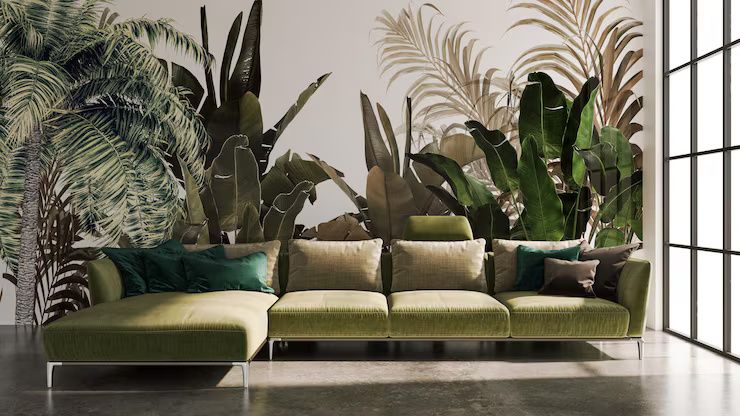
Importance of Indoor Plants in Modern Living
The growing popularity of indoor plants reflects a broader shift toward sustainable living and mental wellness. Plants improve air quality, add visual warmth, and support emotional health.
Key reasons why indoor plants matter today:
-
Air Purification: Many species, such as snake plants and peace lilies, naturally filter pollutants like formaldehyde and benzene from indoor air.
-
Stress Reduction: Studies show that interacting with plants can lower anxiety and promote relaxation.
-
Improved Focus and Productivity: Greenery in workspaces enhances concentration and creativity.
-
Aesthetic Appeal: Plants complement modern décor, adding texture, color, and balance.
-
Climate Adaptation: In urban areas with rising pollution and temperatures, indoor greenery helps regulate humidity and temperature naturally.
Indoor plants also offer a sustainable alternative to synthetic décor. They connect people to nature, making indoor environments healthier and more pleasant.
Recent Updates and Trends in Indoor Gardening (2024–2025)
The indoor plant industry continues to evolve, influenced by sustainability, technology, and design innovations. In 2024–2025, several trends have shaped the way people grow and style plants indoors.
Major trends include:
-
Smart Gardening Systems: Integration of IoT devices and mobile apps that monitor soil moisture, light exposure, and temperature.
-
Sustainable Potting Materials: A move toward eco-friendly containers made from bamboo, recycled plastic, or clay.
-
Biophilic Design: A growing interior design trend that incorporates natural elements to create harmonious, calming spaces.
-
Low-Maintenance Plants: Increased popularity of hardy plants like ZZ plants, pothos, and succulents that require minimal care.
-
Vertical and Hanging Gardens: Urban homes are using vertical planters and hanging systems to save space.
-
Hybrid Lighting Solutions: LED grow lights are now designed with aesthetic appeal, blending into modern interiors.
A 2024 report by the Global Green Living Forum highlighted a 35% increase in indoor plant adoption in urban apartments worldwide, reflecting a growing preference for natural living environments.
Laws, Regulations, and Environmental Guidelines
While there are no strict global laws regulating houseplants, certain environmental and agricultural policies indirectly impact indoor plant trade and care practices.
Relevant laws and standards include:
-
Plant Import Regulations: Many countries regulate plant imports to prevent the spread of pests and diseases. For example, the European Union and the United States require phytosanitary certificates for certain species.
-
CITES Agreement (Convention on International Trade in Endangered Species): Restricts the trade of rare and endangered plant species such as certain orchids and cacti.
-
Sustainable Sourcing Programs: Government and non-governmental organizations encourage the cultivation of plants through eco-friendly farming methods.
-
Urban Green Policies: Cities worldwide, including Singapore and Copenhagen, promote green building standards that integrate indoor vegetation for air quality improvement.
-
Waste Management Rules: Regulations support the use of biodegradable planters and compostable materials in indoor gardening.
These policies ensure that indoor plant cultivation aligns with biodiversity conservation and environmental protection goals.
Tools and Resources for Indoor Plant Care and Styling
Successful indoor gardening depends on the right tools, knowledge, and consistent care. Whether for design or maintenance, several digital and physical resources support plant enthusiasts and professionals alike.
Useful Tools and Platforms:
-
Mobile Apps:
-
PlantIn and PictureThis for plant identification and care reminders.
-
Blossom for real-time watering and sunlight tracking.
-
-
Environmental Monitors: Smart sensors that measure temperature, humidity, and soil conditions.
-
Design Resources:
-
Interior styling apps such as Houzz and Roomstyler for visualizing plant placement in living spaces.
-
-
Online Communities:
-
Gardening forums and social media groups provide tips, troubleshooting, and inspiration for plant setups.
-
-
Educational Platforms:
-
Coursera and Udemy offer courses on sustainable home gardening and urban horticulture.
-
Table: Common Indoor Plants and Their Benefits
| Plant Name | Primary Benefit | Light Requirement | Watering Frequency |
|---|---|---|---|
| Snake Plant | Air purification | Low to medium | Once every 10–14 days |
| Spider Plant | Humidity balance | Medium | Twice a week |
| Peace Lily | Toxin removal | Low to medium | Weekly |
| Aloe Vera | Healing properties | High | Once every 2–3 weeks |
| Pothos | Decorative & resilient | Low to bright indirect | Weekly |
Frequently Asked Questions
Which indoor plants are best for beginners?
Plants such as snake plants, pothos, and ZZ plants are ideal for beginners due to their low maintenance and adaptability to varying light conditions.
How can I prevent indoor plant diseases?
Ensure proper air circulation, avoid overwatering, and regularly inspect leaves for pests or mold. Using clean tools and fresh potting soil also helps.
Do indoor plants need sunlight or can they grow under artificial light?
Many indoor plants thrive under indirect sunlight, but artificial grow lights with the correct wavelength can substitute natural light effectively.
What are the most popular plant styling trends in 2025?
Vertical gardens, hanging planters, and mixed-species arrangements are trending, especially in small apartments.
How do indoor plants contribute to environmental sustainability?
They absorb carbon dioxide, release oxygen, and help regulate indoor humidity. Moreover, sustainably sourced plants support eco-friendly production chains.
Conclusion
Indoor plants represent more than a decorative trend — they are a reflection of conscious living and environmental awareness. The growing global interest in biophilic design and home greenery shows how deeply humans value their connection with nature.
From air purification to stress relief, indoor plants play a vital role in improving both physical spaces and mental well-being. With smart technology and sustainable practices transforming plant care, the integration of greenery into modern homes has become easier and more impactful than ever.
As the world continues to urbanize, cultivating indoor plants stands as a simple yet powerful step toward creating healthier, more beautiful, and ecologically balanced living environments.