Office ergonomic furniture refers to desks, chairs, and accessories designed to support natural posture, reduce strain, and improve comfort during long working hours. As modern workplaces shift toward desk-based tasks and digital tools, people spend extended periods sitting in front of computers. This has increased the need for ergonomic solutions that align with human body mechanics.
Ergonomic office furniture exists to reduce physical stress on the spine, neck, shoulders, and wrists. It is based on research from occupational health, biomechanics, and workplace safety studies. Adjustable chairs, height-adjustable desks, lumbar support systems, and monitor positioning tools are examples of ergonomic innovations that help create safer and more efficient work environments.
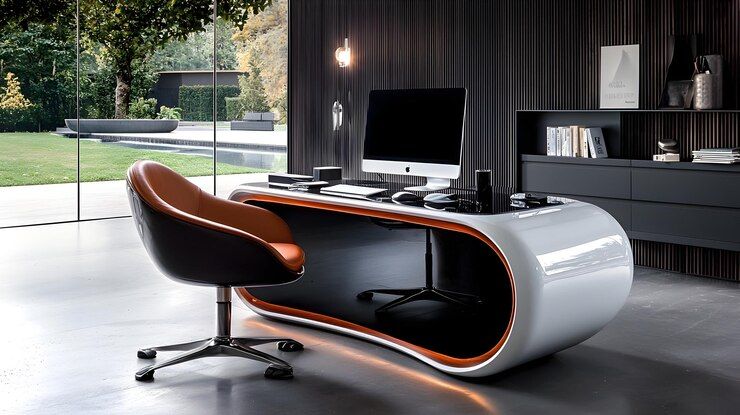
Why Office Ergonomic Furniture Matters Today
Workplace ergonomics is directly connected to employee well-being and long-term health. Poor posture and repetitive movements may contribute to musculoskeletal disorders, back pain, and fatigue. These issues affect office workers, remote employees, students, and even freelancers working from home.
The importance of ergonomic furniture has grown with the expansion of hybrid work models. Many employees now split time between corporate offices and home offices. Without proper ergonomic setups, individuals may experience discomfort that impacts focus and productivity.
Key benefits of ergonomic office furniture include:
-
Improved posture alignment
-
Reduced risk of repetitive strain injuries
-
Enhanced concentration and work efficiency
-
Better circulation and reduced fatigue
-
Long-term workplace health support
From corporate offices to educational institutions, ergonomic awareness has become part of broader occupational health and workplace safety initiatives.
Recent Updates and Trends in 2025
In 2024 and early 2025, several workplace design trends have shaped the office ergonomic furniture market. Companies are increasingly integrating smart technology into furniture systems. Adjustable desks with digital memory settings and posture tracking features are becoming more common.
Sustainability is another major trend. In 2025, many manufacturers are focusing on eco-friendly materials such as recycled aluminum, sustainable wood, and low-emission upholstery fabrics. Environmental standards and green building certifications have encouraged offices to adopt furniture with reduced carbon footprints.
Hybrid workspace design also continues to evolve. Modular furniture systems that can adapt to collaborative or individual work styles are gaining popularity. Height-adjustable desks remain one of the fastest-growing ergonomic categories due to increased awareness of sit-stand working patterns.
Research published in late 2024 by occupational health organizations emphasized micro-movement strategies, encouraging workers to alternate between sitting and standing every 30–60 minutes. As a result, ergonomic education programs are increasingly integrated into corporate training.
Laws and Workplace Regulations
Office ergonomic furniture is influenced by workplace safety regulations in many countries. In India, the Ministry of Labour and Employment promotes occupational safety guidelines under the Occupational Safety, Health and Working Conditions Code, 2020. Employers are expected to provide safe working environments that reduce health risks.
Internationally, organizations such as the Occupational Safety and Health Administration (OSHA) in the United States publish ergonomic recommendations to reduce workplace injuries. Although ergonomic furniture standards may not always be mandatory, employers are encouraged to follow best practices to prevent musculoskeletal disorders.
The International Labour Organization (ILO) also highlights workplace ergonomics as part of global occupational health frameworks.
Common regulatory considerations include:
-
Proper workstation height alignment
-
Adequate lumbar support in office chairs
-
Safe monitor positioning to reduce neck strain
-
Compliance with fire safety and material standards
Organizations must also ensure accessibility compliance, particularly for individuals with disabilities, by aligning with national accessibility laws and building codes.
Tools and Resources for Ergonomic Planning
Several digital tools and platforms help individuals and organizations design ergonomic workspaces.
Helpful resources include:
-
OSHA Ergonomic Assessment Tools
-
Workplace posture assessment checklists
-
Adjustable desk height calculators
-
3D office layout planning software
-
Corporate ergonomics training modules
Below is a simplified example of ergonomic desk height recommendations based on user height:
| User Height (cm) | Recommended Desk Height (cm) | Monitor Eye Level Position |
|---|---|---|
| 150–160 | 60–65 | Slightly below eye level |
| 161–175 | 65–72 | Direct eye level |
| 176–190 | 72–78 | Slight downward tilt |
A simple representation of posture distribution in a typical office environment:
Sitting (Traditional Setup) ███████████████████ 70%
Sit-Stand Hybrid Setup ████████████ 45%
Standing Desk Users ███████ 25%
These figures illustrate the growing shift toward hybrid ergonomic setups rather than continuous sitting.
Organizations may also use workplace health surveys to evaluate employee comfort levels and identify improvement areas.
Frequently Asked Questions
What is the main purpose of office ergonomic furniture?
The main purpose is to support the body’s natural posture, reduce physical strain, and minimize the risk of musculoskeletal problems during prolonged desk work.
Who benefits from ergonomic office furniture?
Office employees, remote workers, students, designers, programmers, and administrative staff all benefit. Anyone who works for extended periods at a desk can experience improved comfort and posture support.
How often should a sit-stand desk be adjusted?
Experts recommend alternating between sitting and standing every 30 to 60 minutes. Short posture changes help improve circulation and reduce muscle stiffness.
Is ergonomic furniture required by law?
In many countries, employers are legally required to provide safe working conditions. While specific furniture types may not be mandated, workplace safety regulations encourage ergonomic risk reduction practices.
Can ergonomic furniture improve productivity?
Research suggests that improved comfort and reduced pain can help employees focus better and maintain consistent performance throughout the workday.
Key Design Considerations
When selecting ergonomic office furniture, the following features are typically evaluated:
-
Adjustable seat height and depth
-
Lumbar support alignment
-
Armrest positioning
-
Desk surface height compatibility
-
Monitor placement flexibility
Proper lighting and keyboard positioning also play a significant role in overall ergonomic setup. Even high-quality furniture may not provide benefits if it is incorrectly adjusted.
Long-Term Workplace Impact
Ergonomic planning is not only about comfort but also about long-term occupational health strategy. Companies that invest in structured ergonomic programs often report reduced absenteeism related to musculoskeletal discomfort.
The shift toward digital work environments has increased awareness about the importance of workstation design. As artificial intelligence tools and remote collaboration platforms continue expanding in 2025, employees are spending more screen time than ever before.
Workplace wellness programs now frequently include ergonomic education, posture training sessions, and digital reminders for movement breaks. This integrated approach combines furniture design, behavioral habits, and policy support.
Conclusion
Office ergonomic furniture plays a central role in creating healthier and more efficient workspaces. With increasing digital workloads, hybrid work models, and greater awareness of occupational health, ergonomic design has become a foundational element of modern office planning.
Regulatory frameworks, technological innovation, and sustainability trends continue to shape this field in 2025. By understanding posture principles, legal guidelines, and available tools, individuals and organizations can create environments that support long-term comfort and productivity.
An informed approach to ergonomic workspace design helps reduce physical strain, promote well-being, and align workplace practices with evolving safety standards.