A destination wedding is a wedding ceremony held away from the couple’s place of residence, often in a location chosen for its scenic, cultural, or personal significance. These weddings typically involve travel for the couple and guests and combine wedding events with elements of a group trip. Rather than focusing only on the ceremony itself, destination weddings often emphasize shared experiences over several days.
This guide explains destination weddings from an educational perspective, covering why they exist, how they are planned, what trends influence them today, and how legal and logistical frameworks shape these events. The goal is to provide clear, factual information suitable for a general audience.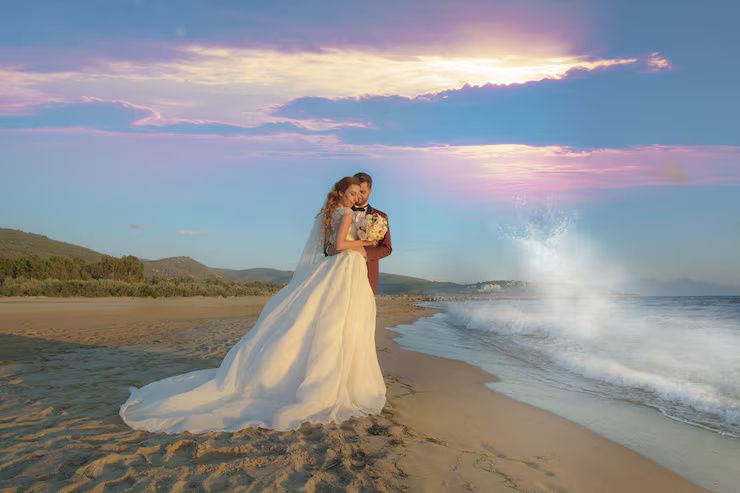
Context
Historically, weddings were local community events, shaped by cultural customs and family traditions. As global travel became more accessible, couples began exploring the idea of marrying in locations that held emotional meaning or offered distinctive environments. Destination weddings emerged as a way to combine a significant life event with travel and cultural exploration.
Destination weddings exist to:
-
Allow couples to marry in personally meaningful locations
-
Create shared travel experiences with close friends and family
-
Integrate natural or cultural settings into ceremonies
-
Simplify guest lists by limiting attendance through travel
-
Extend celebrations over multiple days rather than a single event
Over time, destination weddings evolved into a recognized wedding format, supported by global travel infrastructure and standardized planning processes.
Importance
Destination weddings matter because they reflect changing social, cultural, and lifestyle preferences.
Why destination weddings are important today:
-
Personalization of ceremonies
Couples seek settings that reflect their identities. -
Experience-focused celebrations
Emphasis on shared memories rather than single-day events. -
Smaller, intentional gatherings
Travel requirements naturally limit guest numbers. -
Cultural exchange
Weddings often incorporate local traditions or settings. -
Integration of travel and milestones
Combines celebration with exploration.
Who this topic affects:
-
Couples planning a wedding
-
Families and invited guests
-
Event planners and hospitality researchers
-
Tourism and destination analysts
-
Legal and administrative authorities
Problems destination weddings help address:
-
Pressure of hosting very large local weddings
-
Desire for unique and meaningful settings
-
Scheduling challenges with extended families
-
Balancing celebration with travel interests
Understanding their importance helps explain why destination weddings continue to grow in popularity.
Common Destination Wedding Locations
Destination weddings can take place in a wide range of settings depending on preferences and accessibility.
Popular location categories include:
-
Beach and coastal destinations
-
Mountain and countryside regions
-
Historic cities and heritage sites
-
Island locations
-
Resort or retreat-style venues
Each location type influences logistics, guest experience, and ceremony style.
Location-Based Experience Comparison Table
| Location Type | Primary Setting | Experience Focus |
|---|---|---|
| Beach | Coastal scenery | Relaxed, scenic atmosphere |
| Mountain | Natural landscapes | Quiet, nature-focused |
| Historic City | Cultural landmarks | Heritage and architecture |
| Island | Remote surroundings | Privacy and immersion |
| Countryside | Open, rural areas | Calm and space |
This table shows how location choice shapes the overall wedding experience.
Planning Considerations for Destination Weddings
Planning a destination wedding involves additional considerations compared to local ceremonies.
Key planning areas include:
-
Travel logistics for guests
-
Accommodation coordination
-
Event timelines across multiple days
-
Local climate and seasonal factors
-
Accessibility and transportation
Advance planning is often necessary to manage these variables effectively.
Timing and Seasonality
Timing plays a significant role in destination wedding planning.
Important timing factors include:
-
Weather patterns at the destination
-
Peak and off-peak travel seasons
-
Local festivals or holidays
-
Travel availability for guests
Understanding seasonality helps reduce uncertainty and improve guest experience.
Guest Experience and Communication
Clear communication is central to destination weddings.
Common communication considerations include:
-
Sharing travel details early
-
Providing location-specific information
-
Explaining local customs or expectations
-
Offering clear event schedules
Well-informed guests are better prepared for travel-based celebrations.
Cultural and Local Integration
Destination weddings often reflect elements of the chosen location.
Examples of local integration include:
-
Use of regional décor styles
-
Incorporation of local music or traditions
-
Selection of culturally significant venues
-
Respect for local customs and norms
This approach enhances authenticity while encouraging cultural awareness.
Recent Updates and Trends
During 2024–2025, destination weddings reflected several notable trends:
-
Smaller guest lists
Focus on close family and friends. -
Extended wedding timelines
Multi-day celebrations rather than single events. -
Hybrid attendance options
Digital participation for distant guests. -
Sustainability awareness
Consideration of environmental impact. -
Destination familiarity
Preference for locations with good travel infrastructure. -
Experience-led planning
Activities designed around shared experiences.
These trends highlight a shift toward intentional and manageable celebrations.
Budgeting and Practical Scope (Non-Financial)
While financial details vary widely, destination weddings often focus on scope rather than scale.
Practical scope considerations include:
-
Number of events
-
Length of stay
-
Type of venue
-
Guest participation level
These factors shape planning complexity without emphasizing monetary figures.
Laws and Policies
Destination weddings are influenced by legal and administrative requirements that vary by country and region.
Key legal considerations include:
-
Marriage registration laws
Define legal recognition of the ceremony. -
Residency or waiting period rules
Some locations require advance presence. -
Documentation requirements
Identification and civil records may be needed. -
Local officiant regulations
Govern who can legally conduct ceremonies. -
Travel and visa policies
Affect guest and couple entry requirements.
Understanding legal frameworks early helps avoid administrative challenges.
Tools and Resources
Several non-commercial tools and resources support destination wedding planning and research.
Planning Resources
-
Destination climate guides
-
Travel distance and accessibility maps
Organizational Tools
-
Wedding timeline templates
-
Guest communication checklists
Legal Information Sources
-
Government civil registration websites
-
Embassy or consulate guidance pages
Educational Materials
-
Wedding planning guides
-
Cultural etiquette references
These tools help couples and guests make informed decisions.
Environmental and Social Considerations
Destination weddings increasingly consider broader impacts.
Key considerations include:
-
Environmental footprint of travel
-
Respect for local communities
-
Venue capacity and land use
-
Waste and resource management
Awareness of these factors supports responsible celebration planning.
FAQs
What defines a destination wedding?
It is a wedding held away from the couple’s home location, involving travel.
Are destination weddings usually smaller?
Often yes, due to travel requirements for guests.
Do destination weddings require legal preparation?
Yes. Legal requirements vary by location and must be reviewed.
Can destination weddings last multiple days?
Yes. Many include events across several days.
Are destination weddings regulated?
They follow local marriage, travel, and event regulations.
Learning Insights
For those exploring destination weddings from an educational standpoint:
-
Study how travel affects event planning
-
Understand cultural sensitivity in ceremonies
-
Learn basic legal frameworks for marriage abroad
-
Review guest experience management strategies
-
Explore sustainability considerations in travel events
These insights help frame destination weddings beyond aesthetics.
Conclusion
Destination weddings represent a blend of celebration, travel, and personal expression. They exist to offer couples the opportunity to marry in meaningful locations while sharing extended experiences with their closest guests. As preferences shift toward smaller, more intentional gatherings, destination weddings continue to evolve in structure and scope.
By understanding their context, importance, trends, legal considerations, tools, and practical planning insights, readers gain a clear and balanced view of destination weddings. Rather than focusing solely on visual appeal, this perspective highlights planning, responsibility, and informed decision-making as central elements of destination-based celebrations.