Conveyor belt systems are mechanical setups used to move materials from one place to another in a controlled and continuous way. They are common in industries such as manufacturing, warehousing, mining, food processing, airports, and logistics. Instead of relying only on manual handling, conveyors support faster movement of goods and help create more consistent workflows.
The main purpose of conveyor belt systems is efficiency. By reducing unnecessary handling steps and improving the flow of materials, conveyors support productivity and safer operations. This guide explains conveyor belt systems in a neutral, educational way, covering their components, functions, performance factors, recent updates, relevant rules, and practical resources.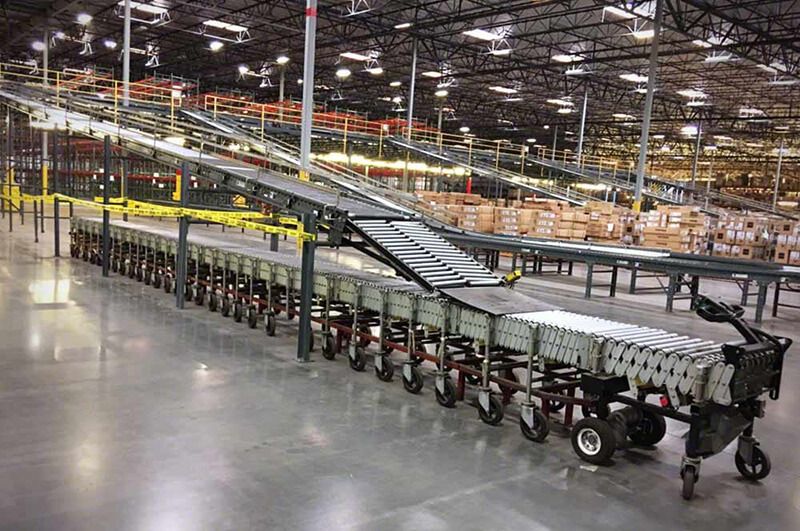
Context
Conveyor systems exist because modern industries often need to move heavy, bulky, or high-volume items repeatedly. Early conveyor concepts were used in agriculture and mining, where manual transport was slow and physically demanding. Over time, conveyor technology improved through stronger materials, better motors, and advanced design layouts.
Today, conveyor belt systems are used in both simple and highly automated facilities. A small warehouse might use a short belt conveyor for packing stations, while a large distribution hub may operate multiple interconnected conveyors with sensors and automated sorting.
Conveyor belt systems exist to:
-
Reduce manual lifting and carrying
-
Improve speed and consistency in material movement
-
Support high-volume operations
-
Enable automation in production and logistics
-
Create safer and more organized work environments
They are a key part of industrial material handling and supply chain infrastructure.
Importance
Conveyor belt systems matter today because industries face pressure to deliver faster results with fewer errors and improved safety. Whether moving packages in an e-commerce warehouse or transporting raw materials in mining, conveyors play a direct role in operational efficiency.
Why conveyor belt systems are important:
-
Higher throughput
Continuous movement supports faster processing. -
Reduced manual effort
Less physical handling reduces fatigue and injury risk. -
Improved workflow consistency
Conveyor speed and layout help standardize operations. -
Better space utilization
Conveyor paths can be designed around available space. -
Support for automation
Conveyors connect machines, sorting systems, and storage zones.
Who this topic affects:
-
Factory and warehouse managers
-
Maintenance and safety teams
-
Industrial engineers and operations planners
-
Logistics and supply chain professionals
-
Workers in production and packaging areas
Problems conveyor systems help solve:
-
Slow manual transport of goods
-
Bottlenecks in production lines
-
High handling errors and product damage
-
Workplace strain and repetitive movement issues
-
Unorganized movement of materials across large facilities
Efficiency is not only about speed. It also includes reliability, safety, and consistent output.
How Conveyor Belt Systems Work
A conveyor belt system typically uses a continuous belt loop that rotates around pulleys. A motor drives one pulley, creating movement. Items placed on the belt are carried along the path until they reach the discharge point.
Basic working process:
-
Load materials onto the belt
-
Motor drives belt movement
-
Belt travels along rollers or a support bed
-
Materials move toward the destination
-
Materials unload at a controlled end point
Different conveyor designs exist depending on the type of load, distance, and operating environment.
Key Components of Conveyor Belt Systems
Conveyor performance depends heavily on the quality and setup of its parts.
Main components include:
-
Belt (rubber, PVC, fabric, or steel-reinforced materials)
-
Drive motor (powers belt movement)
-
Pulleys (drive pulley and tail pulley)
-
Rollers and idlers (support belt and reduce friction)
-
Frame structure (supports alignment and stability)
-
Tensioning system (maintains belt grip and tracking)
-
Control system (speed control, start/stop, safety interlocks)
Each part affects efficiency, energy use, and reliability.
Types of Conveyor Belt Systems
Conveyor systems vary based on the application.
Common conveyor belt types include:
-
Flat belt conveyors (general material transport)
-
Incline or decline conveyors (moving items between levels)
-
Modular belt conveyors (interlocking plastic segments)
-
Roller conveyors with belt drives (warehouse applications)
-
Cleated belt conveyors (preventing product sliding)
-
Curved conveyors (space-saving routing)
Choosing the right type depends on material size, weight, and movement pattern.
Conveyor System Selection Comparison Table
| Conveyor Type | Best For | Key Advantage | Common Limitation |
|---|---|---|---|
| Flat Belt | Boxes, parcels | Simple and versatile | Not ideal for steep angles |
| Incline Belt | Level changes | Efficient vertical movement | Requires grip or cleats |
| Modular Belt | Food and packaging | Easy cleaning | Higher part complexity |
| Cleated Belt | Loose items | Reduces slipping | Needs careful maintenance |
| Curved Conveyor | Tight layouts | Space-efficient | Requires accurate alignment |
This table shows practical differences without promoting specific equipment.
Efficiency Factors That Matter Most
Efficiency in conveyor belt systems is influenced by design, load handling, and maintenance.
Key efficiency factors include:
-
Belt speed matching production needs
-
Proper belt tension and tracking
-
Load distribution and weight limits
-
Minimal friction through roller condition
-
Smooth transfer points between conveyors
-
Correct motor sizing and drive efficiency
-
Reduced downtime through preventive maintenance
A well-designed conveyor system improves flow while reducing energy waste and mechanical strain.
Common Causes of Conveyor Efficiency Loss
Efficiency problems usually develop gradually and are often linked to wear, misalignment, or poor operating practices.
Frequent causes include:
-
Belt mis-tracking (belt drifting sideways)
-
Roller wear or seized rollers
-
Material spillage at transfer points
-
Improper belt tension
-
Overloading beyond design capacity
-
Dust buildup and contamination
-
Delayed replacement of worn parts
Early detection prevents long shutdowns and unexpected failures.
Maintenance and Monitoring Basics
Maintenance is one of the most effective ways to keep conveyor systems running efficiently.
Common maintenance actions include:
-
Checking belt alignment regularly
-
Inspecting rollers and bearings
-
Cleaning belt surfaces and transfer zones
-
Testing emergency stop functions
-
Monitoring motor performance and vibration
-
Inspecting pulleys for wear and buildup
Monitoring tools, including sensors and digital tracking, are increasingly used to detect problems before breakdowns occur.
Recent Updates and Trends
During 2024–2025, conveyor belt systems continued to evolve in response to automation growth and energy-efficiency goals.
Notable trends include:
-
Smart conveyor monitoring
More use of sensors for vibration, temperature, and belt tracking. -
Predictive maintenance adoption
Maintenance planning based on data rather than fixed schedules. -
Energy-efficient motor systems
Greater attention to high-efficiency drives and power use. -
Automation integration
Conveyors increasingly linked with sorting, scanning, and robotics. -
Safety system upgrades
Improved guarding, interlocks, and emergency response features. -
Modular and flexible layouts
Conveyor designs that can be reconfigured as operations change.
These updates reflect a shift toward reliability and data-driven efficiency rather than only higher speed.
Laws and Policies
Conveyor belt systems are influenced by workplace safety and industrial equipment regulations. Rules vary by country, but most focus on preventing accidents and ensuring safe operation.
Key regulatory areas include:
-
Machine guarding requirements
Moving parts must be shielded to reduce injury risk. -
Emergency stop and lockout procedures
Safety systems must allow fast shutdown and secure maintenance. -
Workplace safety standards
Rules cover training, signage, and hazard prevention. -
Electrical and fire safety compliance
Conveyors must meet electrical safety and risk reduction standards. -
Noise and dust exposure guidelines
Some environments require controls for airborne particles and sound.
These policies encourage safe system design, proper training, and documented inspection routines.
Tools and Resources
Several tools and resources can help with conveyor belt system planning, operation, and learning.
Design and calculation tools
-
Conveyor capacity calculators (belt width and speed estimates)
-
Motor power requirement calculators
-
Load and throughput estimation templates
Maintenance support resources
-
Preventive maintenance checklist templates
-
Belt tracking inspection logs
-
Spare parts tracking sheets
Operational learning tools
-
Conveyor safety training manuals
-
Industrial engineering handbooks
-
Standard operating procedure (SOP) templates
Monitoring and analysis tools
-
Vibration monitoring devices
-
Thermal inspection tools
-
Digital maintenance scheduling apps
These resources support better understanding and smoother operation without focusing on promotions.
FAQs
What is the main purpose of a conveyor belt system?
Its purpose is to move materials efficiently and consistently from one location to another with reduced manual handling.
How do conveyor systems improve efficiency?
They reduce time spent moving items manually, improve workflow speed, and support organized material flow.
What causes conveyor belts to slip or mis-track?
Common causes include improper tension, worn rollers, uneven loading, and pulley contamination.
How often should conveyor systems be maintained?
Maintenance frequency depends on workload, environment, and belt type, but regular inspections are important to prevent breakdowns.
Are conveyor belt systems regulated for safety?
Yes. Most regions have workplace safety rules requiring guarding, emergency stops, and safe maintenance procedures.
Conclusion
Conveyor belt systems are essential tools for modern material handling, supporting efficiency, safety, and consistent workflow in industries ranging from logistics to manufacturing. Their performance depends on design choices, correct component setup, and ongoing maintenance. When managed properly, conveyors reduce bottlenecks, lower manual strain, and improve operational reliability.
Trends in 2024–2025 show increasing use of smart monitoring, predictive maintenance, energy-efficient motors, and automation integration. At the same time, safety regulations continue to shape conveyor system design and operation through requirements like machine guarding and emergency shutdown controls. By understanding how conveyors work, what affects efficiency, and which tools support better management, organizations and learners can make more informed decisions about conveyor belt systems and their role in modern industry.