An inverter battery is an energy storage unit that supplies backup electricity during power outages. It works alongside an inverter, which converts the stored direct current (DC) into alternating current (AC) for home or office use. In regions where electricity interruptions are common, inverter batteries ensure continuity for lights, fans, communication devices, and essential appliances.
Batteries designed for inverters differ from automotive batteries because they are built for long-duration discharge rather than short, high bursts of current. Depending on the technology used—such as lead-acid, tubular, or lithium-ion—the efficiency, lifespan, and maintenance needs vary.
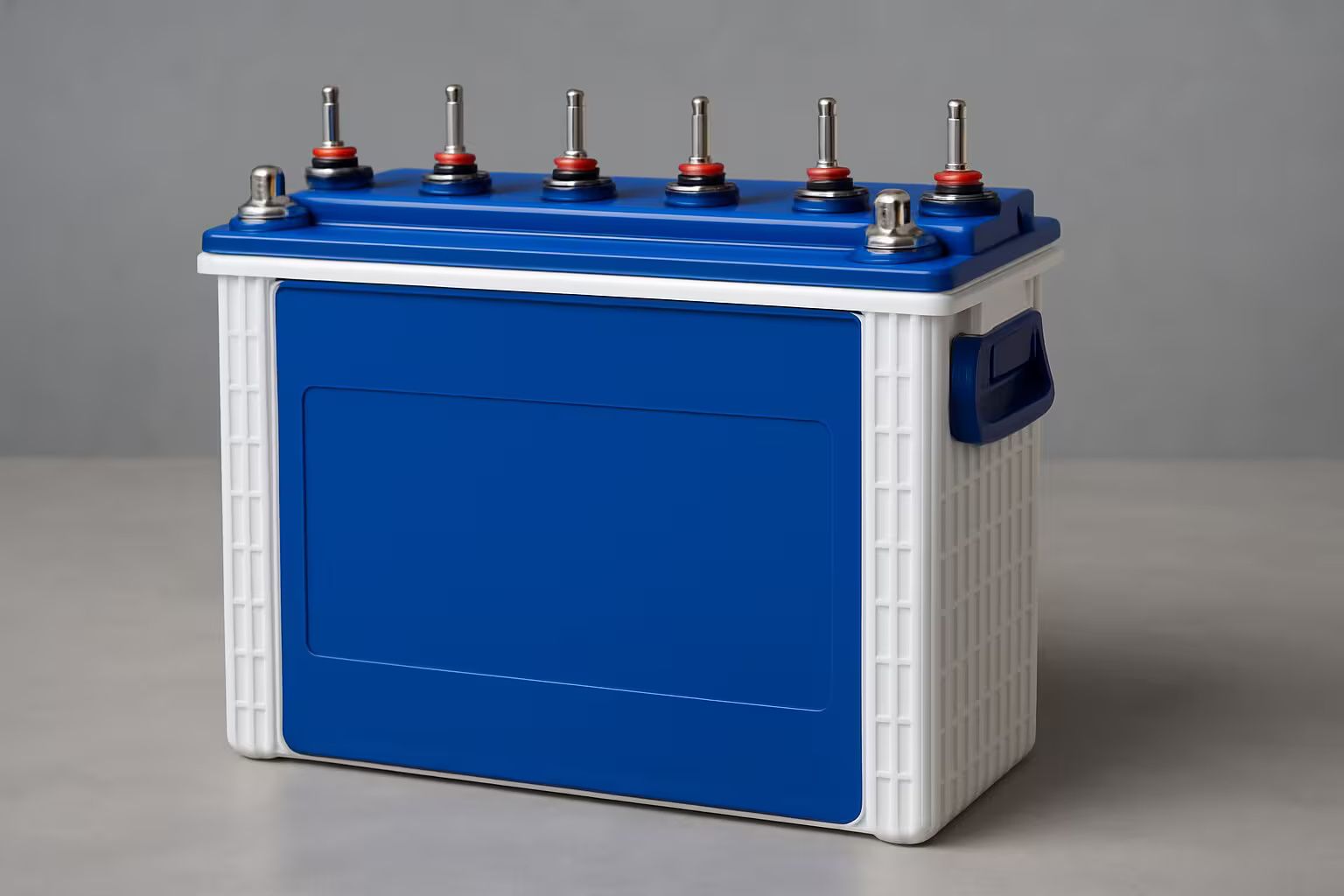
Why inverter batteries matter today
The importance of inverter batteries has grown with the increasing demand for reliable energy. Across households, small businesses, healthcare centers, and educational institutions, power interruptions can disrupt productivity and daily life.
Key reasons inverter batteries matter include:
-
Energy reliability: They provide backup power when the main supply fails.
-
Work-from-home support: Remote professionals depend on uninterrupted electricity for devices and connectivity.
-
Educational continuity: Students require stable power for online learning and study environments.
-
Healthcare needs: Small clinics and home healthcare equipment rely on backup energy for safety.
The problem they solve is straightforward: they bridge the gap between inconsistent power supply and the growing need for dependable electricity.
Recent updates and trends
The inverter battery sector has seen notable updates over the past year.
-
Shift toward lithium-ion (2024–2025): More manufacturers are promoting lithium-ion batteries for inverters due to their longer lifespan, faster charging, and lower maintenance compared to traditional lead-acid models.
-
Eco-friendly initiatives (2024): Countries have tightened environmental standards for battery recycling and disposal, encouraging greener technologies.
-
Digital monitoring (2025): Smart inverters and connected apps now allow users to track battery health, charging status, and energy consumption in real time.
-
Rural adoption (2024–2025): Government programs in several regions have increased access to inverter batteries for rural electrification projects, aiming to reduce dependence on diesel generators.
These changes show a trend toward cleaner, smarter, and more sustainable solutions.
Regulations, laws, and policies
Policies governing inverter batteries differ across countries, but a few themes are common:
-
Battery recycling regulations: Many governments enforce mandatory recycling of lead-acid batteries to prevent soil and water contamination. For instance, India’s Battery Waste Management Rules (2022, updated 2024) emphasize extended producer responsibility.
-
Energy efficiency standards: Regulatory bodies set efficiency benchmarks for inverters and batteries to reduce energy loss.
-
Subsidy programs: Some governments provide incentives for adopting renewable energy storage systems, including inverter-compatible batteries in solar applications.
-
Safety standards: Guidelines on battery handling, storage, and transportation are in place to protect consumers and the environment.
These laws highlight the balance between energy access and environmental protection.
Helpful tools and resources
A variety of tools can help users understand, maintain, and monitor inverter batteries effectively.
-
Battery life calculators – Available on manufacturer websites, these estimate backup duration based on load requirements.
-
Energy monitoring apps – Applications that pair with smart inverters to track usage and optimize performance.
-
Government energy portals – Provide updated guidelines on recycling policies and subsidy programs.
-
Comparison websites – Offer technical specifications to evaluate different battery technologies like tubular, gel, or lithium-ion.
-
Educational resources – Online tutorials and knowledge bases explaining battery maintenance, charging practices, and troubleshooting.
Using these tools helps in making informed decisions and extending the lifespan of inverter batteries.
Frequently asked questions
What is the difference between a tubular battery and a flat-plate battery?
Tubular batteries have a longer lifespan and higher efficiency, making them suitable for frequent power cuts. Flat-plate batteries are more affordable but typically last for shorter durations.
How long do inverter batteries usually last?
The average life of a lead-acid inverter battery is 3–5 years, while lithium-ion models can last 7–10 years, depending on usage and maintenance.
Can solar panels be connected to inverter batteries?
Yes, solar-compatible inverters allow energy generated from solar panels to be stored in inverter batteries, making them an important component of renewable energy systems.
What factors reduce battery life?
Frequent deep discharges, overcharging, poor ventilation, and lack of maintenance can shorten battery lifespan.
How should inverter batteries be maintained?
Regularly check electrolyte levels (for lead-acid types), ensure proper ventilation, keep terminals clean, and avoid complete discharges to extend battery life.
Conclusion
Inverter batteries remain an essential part of modern energy systems, especially in areas facing unstable electricity supply. Their role has expanded beyond backup solutions to include integration with renewable energy and smart monitoring tools.
With advancements in lithium-ion technology, stricter recycling regulations, and supportive government policies, the landscape of inverter batteries is evolving toward sustainability and efficiency. Whether for households, education, healthcare, or small businesses, understanding how inverter batteries function and how to maintain them is valuable knowledge for anyone relying on consistent electricity.